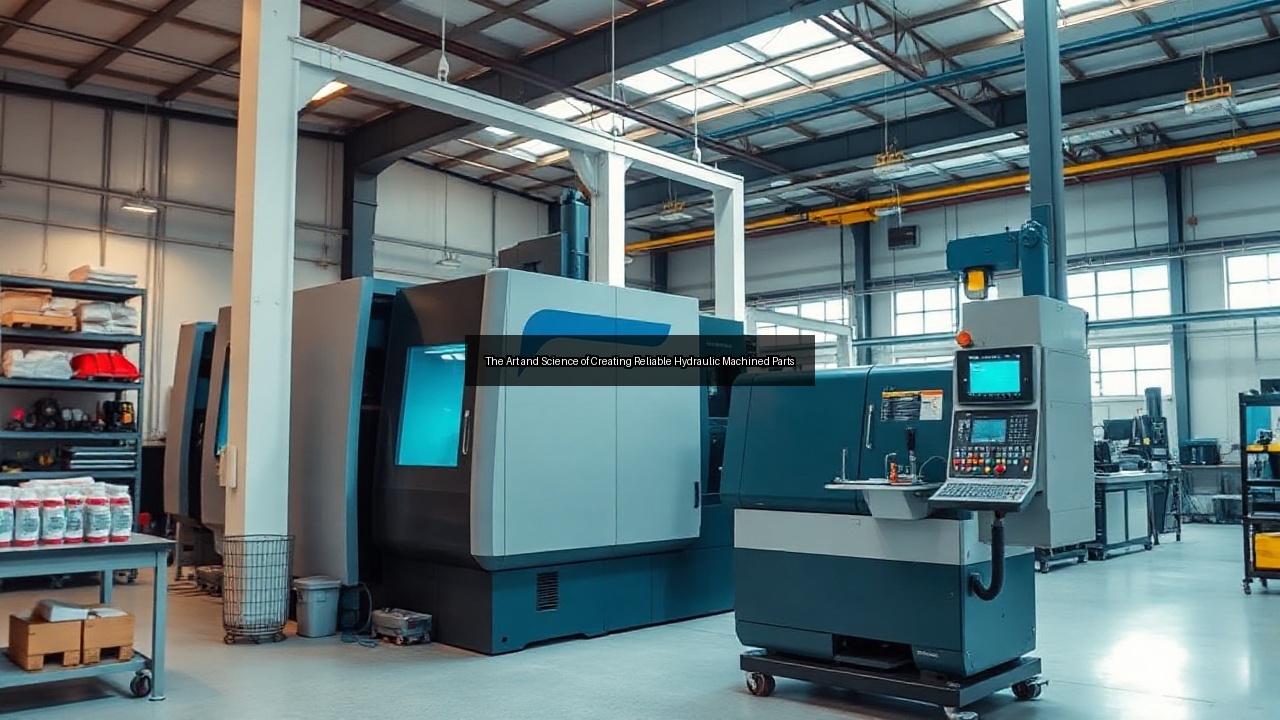
The Art and Science of Creating Reliable Hydraulic Machined Parts
Understanding Hydraulic Machined Parts
Defining Hydraulic Machined Parts
Hydraulic machined parts refer to components specifically designed to function within hydraulic systems, which utilize pressurized fluid to transmit power. These parts are precision-engineered to withstand high pressures and varying temperatures, making them essential for the reliable operation of hydraulic machinery. Common examples include valves, pumps, cylinders, and connectors. Each part must adhere to stringent specifications to ensure optimal performance and safety. The manufacturing process for hydraulic machined parts incorporates advanced techniques to create components that not only fit perfectly but also function seamlessly in various hydraulic applications.
Key Applications in Hydraulic Systems
Hydraulic systems play a vital role in numerous industries, including construction, automotive, aerospace, and manufacturing. Hydraulic machined parts are integral to equipment such as excavators, forklifts, and hydraulic presses. In construction, these parts enable heavy machinery to lift and move substantial loads with precision. In automotive applications, hydraulic systems assist in braking and steering mechanisms, enhancing vehicle safety and performance. The reliability of these systems directly correlates with the quality of the hydraulic machined components. Therefore, selecting parts from reputable manufacturers ensures that hydraulic systems operate efficiently and effectively.
Importance of Precision in Machined Components
Precision in hydraulic machined parts is non-negotiable. Even the slightest deviation in dimensions can lead to catastrophic failures in hydraulic systems. Components must meet specific tolerances to ensure a perfect fit and function. For instance, a poorly machined valve can result in leaks, reduced performance, or even total system failure. Manufacturers employ advanced CNC machining techniques to achieve the required precision. By utilizing computer numerical control, manufacturers can create parts that consistently meet stringent specifications, thereby enhancing the longevity and reliability of hydraulic systems. In essence, precision directly influences performance, safety, and efficiency.
The Manufacturing Process of Hydraulic Machined Parts
Overview of Machining Techniques
The manufacturing of hydraulic machined parts involves several sophisticated machining techniques. Traditional machining methods, such as turning and milling, play a crucial role in shaping raw materials into functional components. These processes remove material from a workpiece to achieve the desired dimensions and surface finish. Advanced CNC machining significantly enhances efficiency by automating these processes, allowing for intricate designs and high production rates. Understanding the nuances of each technique helps manufacturers select the best approach for specific hydraulic components, ensuring optimal performance and durability.
CNC Machining: The Backbone of Efficiency
CNC machining stands at the forefront of modern manufacturing, particularly in the production of hydraulic machined parts. This technology utilizes computer-controlled machines to perform precise cutting, drilling, and milling operations. The benefits of CNC machining include increased accuracy, repeatability, and the ability to produce complex geometries that would be challenging to achieve manually. For hydraulic parts, CNC machining ensures that components meet exact specifications, which is critical for maintaining system integrity. As manufacturers strive for greater efficiency, CNC machining becomes indispensable, reducing lead times and minimizing waste while delivering high-quality parts consistently.
Milling and CNC Lathe Operations in Manufacturing
Milling and CNC lathe operations are fundamental to the creation of hydraulic machined parts. Milling involves the use of rotating cutting tools to remove material from a workpiece, shaping it into the desired form. This technique is particularly effective for producing flat surfaces, slots, and complex profiles common in hydraulic components. On the other hand, CNC lathes rotate the workpiece against a stationary cutting tool, ideal for creating cylindrical shapes such as shafts and housings essential in hydraulic systems. Both operations benefit from CNC technology, which enhances precision and speeds up production. By integrating these methods, manufacturers can achieve high-quality hydraulic parts tailored to specific applications.
Quality Assurance in Hydraulic Machined Parts Production
Standards and Certifications for Hydraulic Components
Quality assurance is paramount in the production of hydraulic machined parts. Adhering to industry standards and obtaining certifications ensures that components meet safety and performance criteria. Organizations like the International Organization for Standardization (ISO) establish rigorous guidelines for manufacturing processes, materials, and testing procedures. Hydraulic components often require compliance with specific standards, such as ISO 9001 for quality management systems or ISO 4406 for cleanliness in hydraulic fluids. By maintaining these standards, manufacturers can provide reliable parts that meet customer expectations and regulatory requirements, fostering trust in their products.
The Role of Quality Control in Manufacturing
Quality control (QC) serves as the backbone of hydraulic machined parts production. Manufacturers implement QC measures throughout the manufacturing process to identify and rectify defects early. This includes rigorous inspections of raw materials, in-process checks, and final product evaluations. Advanced techniques such as non-destructive testing (NDT) and computerized measurement systems enhance the QC process, allowing for real-time monitoring of tolerances and surface finishes. By emphasizing quality control, manufacturers can minimize the risk of failures and enhance the reliability of hydraulic systems, ensuring that end-users receive components that perform as expected under demanding conditions.
Case Studies: Success Stories from FZE Manufacturing Solutions and Hogge Precision
FZE Manufacturing Solutions and Hogge Precision stand out as exemplary manufacturers in the hydraulic machined parts sector. FZE Manufacturing Solutions has developed a reputation for producing high-quality hydraulic components with a focus on customer satisfaction and innovation. Their commitment to advanced machining technologies has led to significant improvements in production efficiency and product reliability. Similarly, Hogge Precision has made strides in quality assurance, implementing stringent testing protocols that ensure their hydraulic components withstand the rigors of industrial applications. These case studies highlight the importance of commitment to quality and innovation in maintaining competitiveness in the hydraulic parts manufacturing landscape.
Choosing the Right Manufacturer for Hydraulic Machined Parts
Factors to Consider When Selecting a Manufacturer
Selecting the right hydraulic machined parts manufacturer involves careful consideration of several factors. Assessing the manufacturer's experience and expertise in hydraulic systems is crucial. A manufacturer with a proven track record in producing high-quality components will likely understand the specific demands and challenges of hydraulic applications. Additionally, evaluate their production capabilities, including available machining technologies and quality control processes. Transparency in communication and customer service also play vital roles in establishing a successful partnership. Finally, consider the manufacturer's certifications, as adherence to industry standards reflects their commitment to quality and reliability.
Comparative Analysis: McCormick Industries and Other Leading Manufacturers
McCormick Industries has established itself as a leading player in the hydraulic machined parts market. Their extensive experience, coupled with advanced machining capabilities, positions them as a reliable source for high-quality components. A comparative analysis reveals that while McCormick Industries excels in precision and efficiency, other manufacturers also offer unique strengths. For instance, some may focus on specialized products or niche markets, providing tailored solutions that meet specific customer needs. Evaluating these differences allows businesses to make informed decisions when choosing a hydraulic parts manufacturer, ensuring they find a partner that aligns with their requirements.
The Future of Hydraulic Parts Manufacturing
The future of hydraulic parts manufacturing promises to be dynamic and innovative. As technology advances, manufacturers increasingly integrate automation, artificial intelligence, and data analytics into their processes. These developments will drive efficiency, reduce costs, and enhance product quality. Sustainable manufacturing practices are gaining traction, with a focus on reducing waste and improving energy efficiency. Additionally, as industries continue to evolve, the demand for custom hydraulic machined parts tailored to specific applications will rise. Manufacturers that adapt to these changes and embrace innovation will thrive in the competitive landscape of hydraulic parts production.